
Author: Cyber Analyst
-
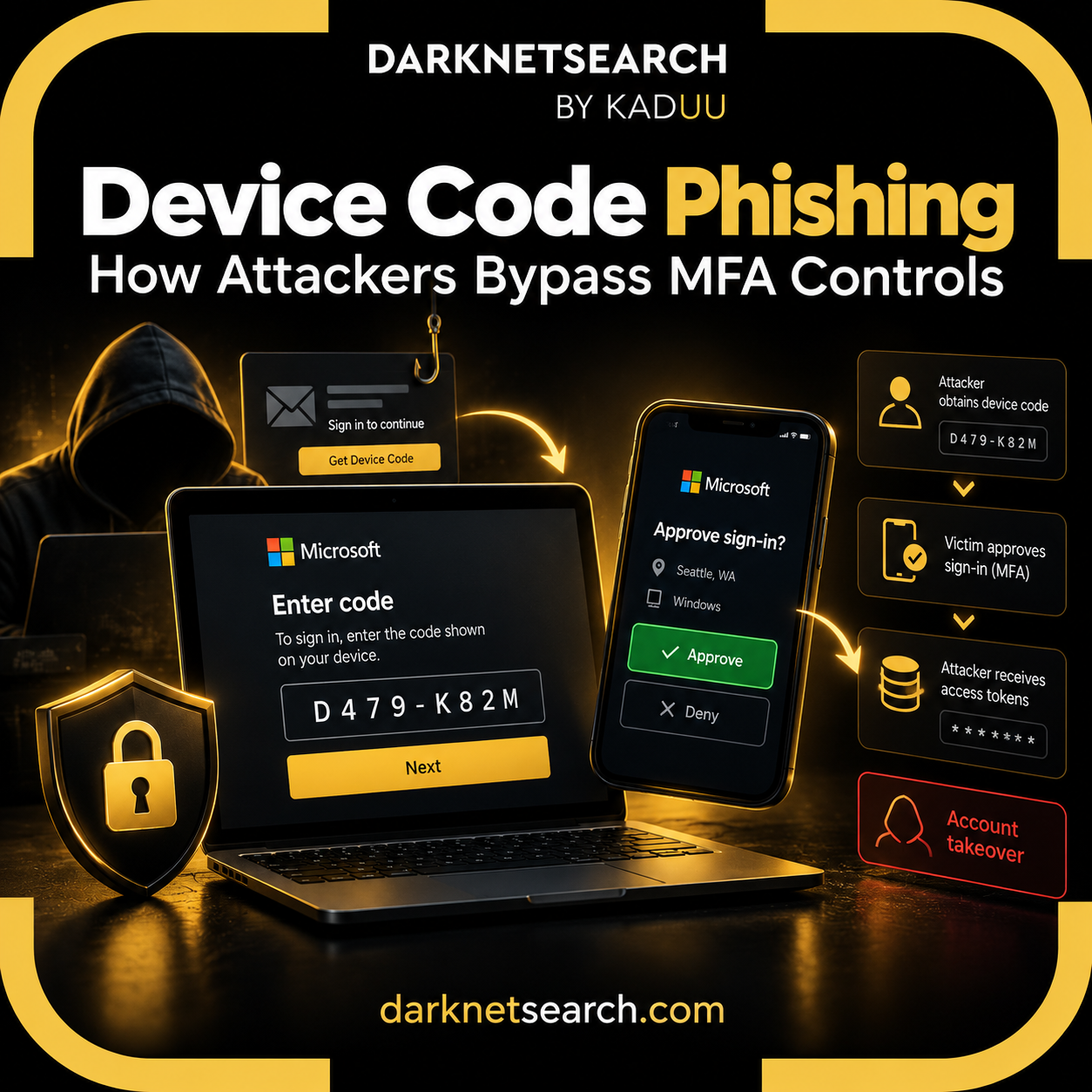
Device Code Phishing: How Attackers Bypass MFA Controls
Device code phishing is an identity attack that abuses a legitimate OAuth authentication flow to obtain access tokens without requiring an attacker to capture the victim’s password. The victim may authenticate on a real Microsoft sign-in page and may even complete MFA successfully. The security failure is not that MFA is broken; it is that…
-

LLM-Jacking: How Stolen AI Accounts Fuel Cybercrime
LLM-jacking is the unauthorized use of paid AI accounts, API keys, cloud credentials, or exposed model infrastructure to consume large language model resources without the owner’s permission. The immediate impact may be unauthorized inference costs, but the same access can also expose enterprise AI services, developer secrets, cloud permissions, and internal workflows to further abuse.…
-
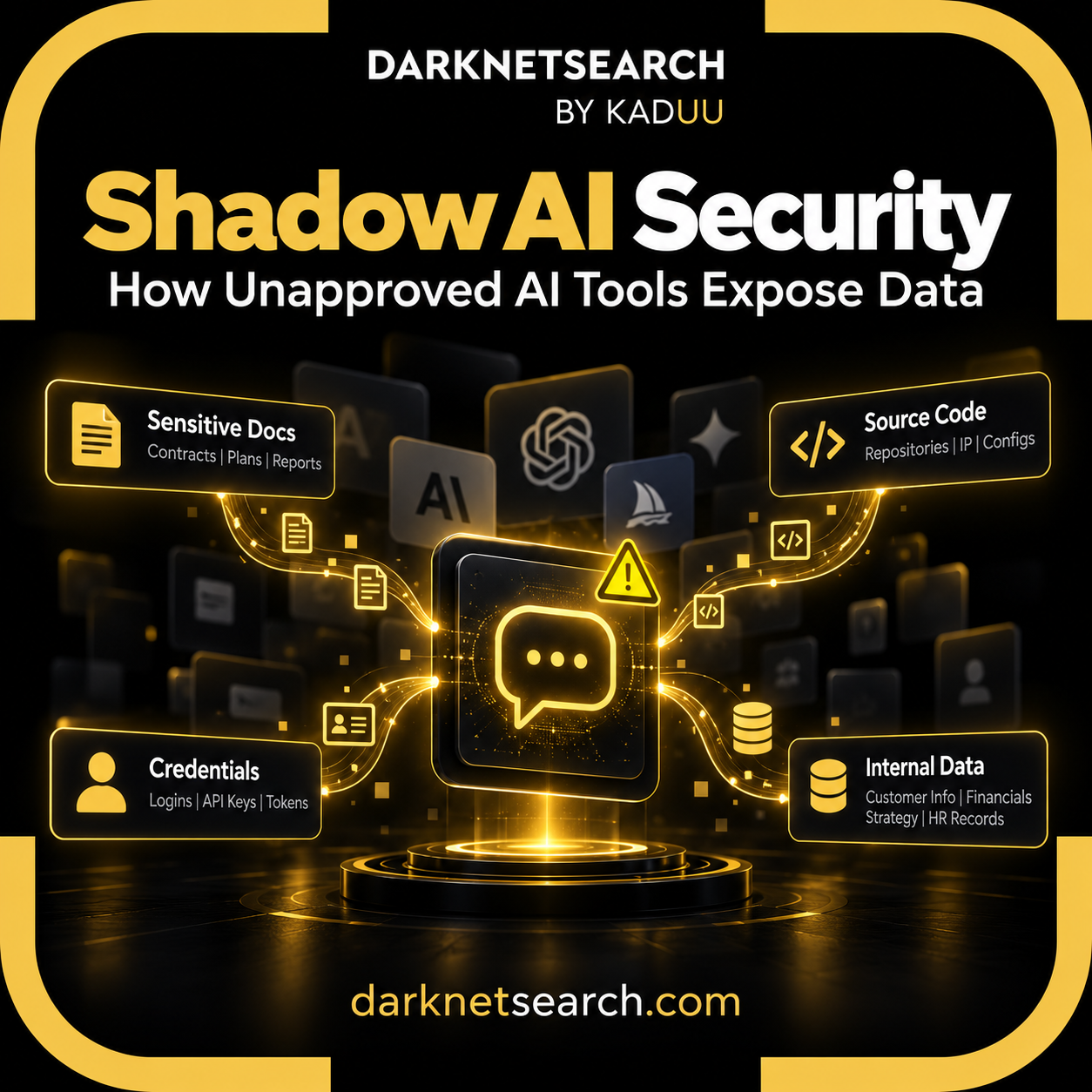
Shadow AI Security: How Unapproved AI Tools Expose Data
Shadow AI security addresses the risks created when employees, contractors, developers, or AI agents use artificial intelligence tools that have not been approved or governed by the organization. The core concern is losing visibility over where sensitive information goes, which identities can access it, and whether business data leaves approved controls. What Is Shadow AI…
-
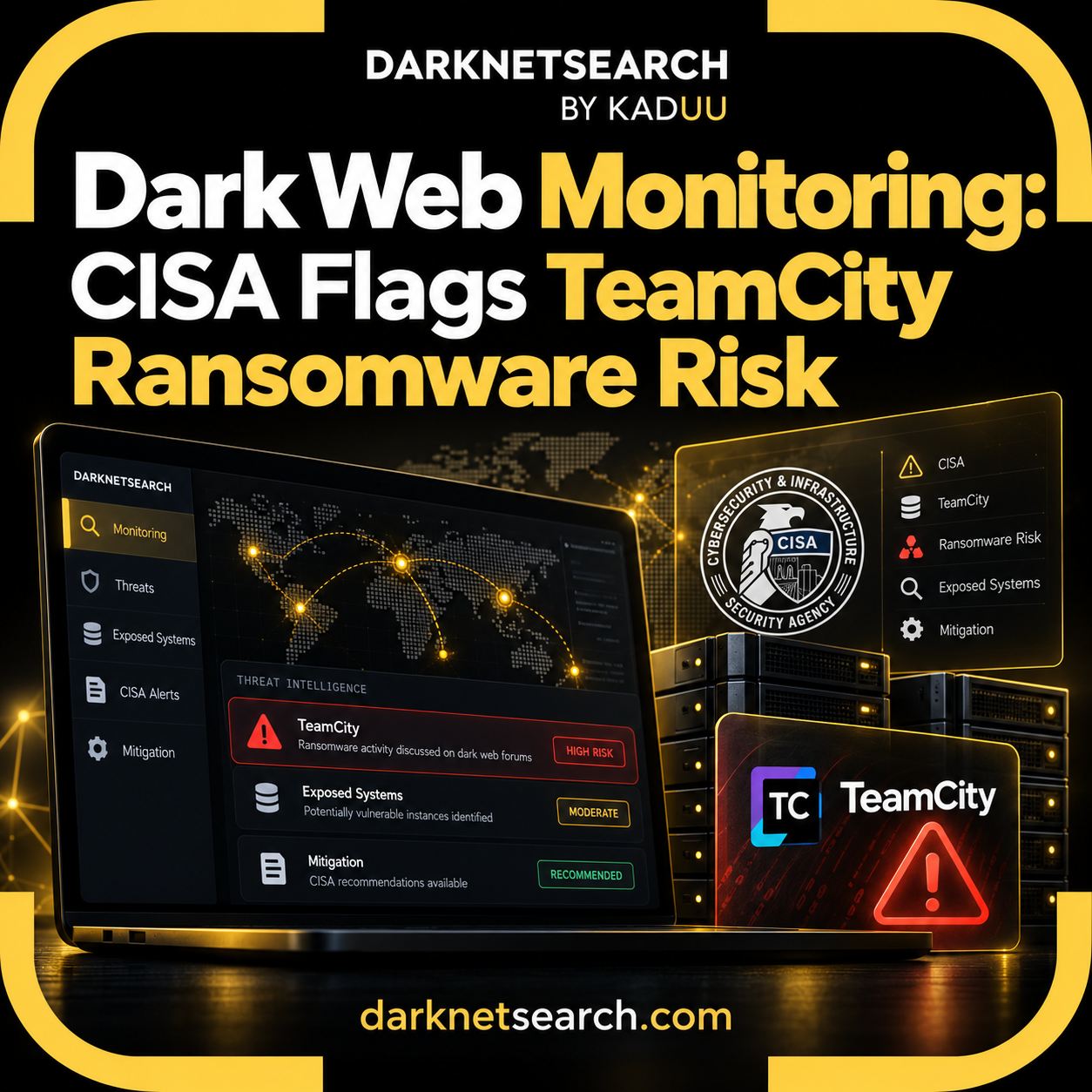
Dark Web Monitoring: CISA Flags TeamCity Ransomware Risk
Dark web monitoring helps security teams look beyond internal telemetry when a critical vulnerability moves from disclosure to active criminal exploitation. CISA has now flagged CVE-2026-63077, a critical authentication-bypass vulnerability in JetBrains TeamCity On-Premises, as being exploited by ransomware gangs. The development raises the priority of patching exposed TeamCity servers and investigating whether vulnerable systems…
-
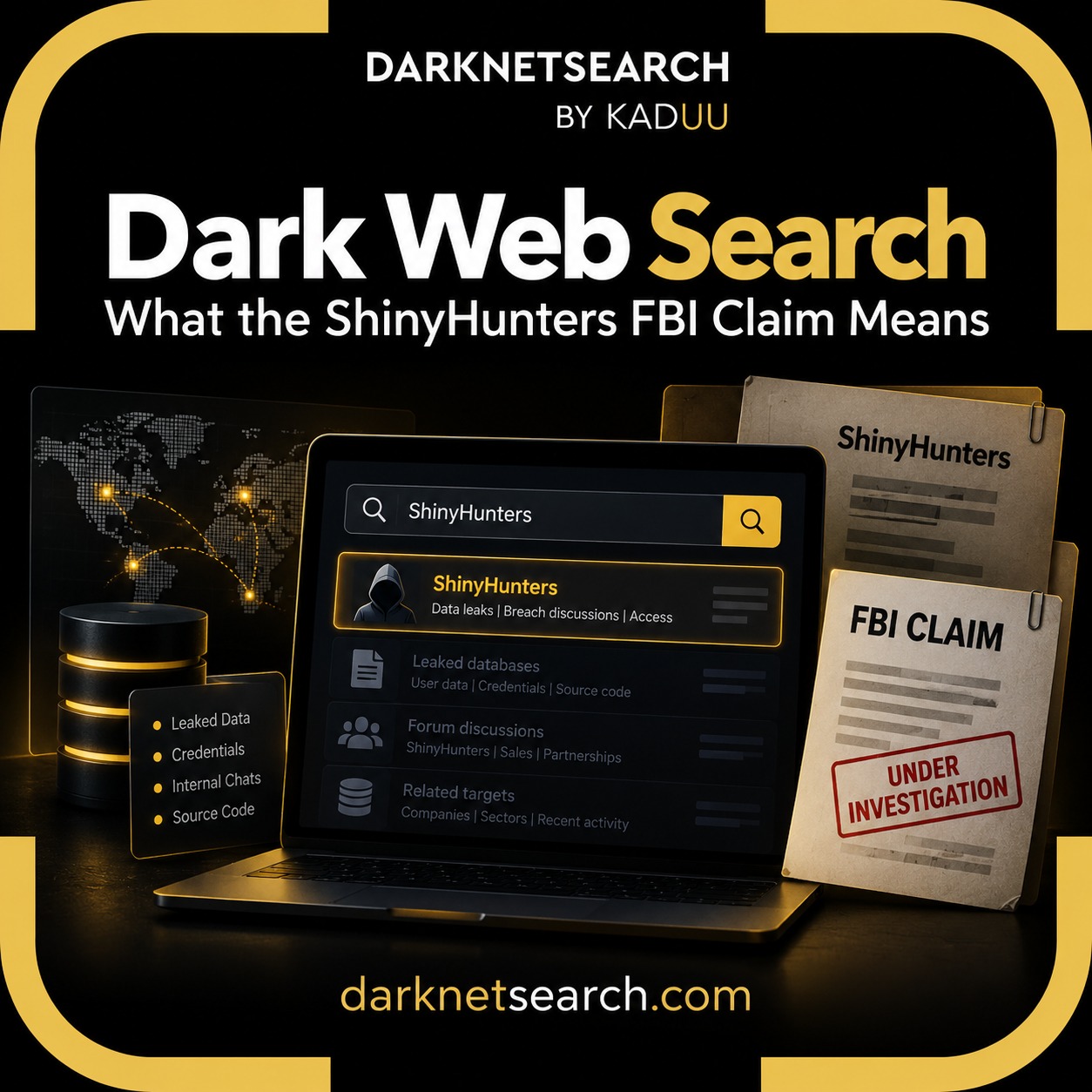
Dark Web Search: What the ShinyHunters FBI Claim Means
Dark web search is increasingly relevant to organizations assessing whether stolen information is already circulating among cybercriminals. The September 22, 2026 ShinyHunters claim that it breached FBI systems using an alleged Oracle PeopleSoft zero-day illustrates why defenders need to distinguish attacker claims from verified compromise, while also monitoring for downstream exposure. BleepingComputer reports that ShinyHunters…
-

Dark Web Search: ShinyHunters Targets Clop Leak Site
Dark web search is providing a different view of the latest conflict between two major cybercrime groups after ShinyHunters reportedly compromised and defaced the Clop ransomware operation’s leak site. The incident is unusual because the attacker and target are both established players in the cybercrime ecosystem, turning an extortion model back against the group that…
-
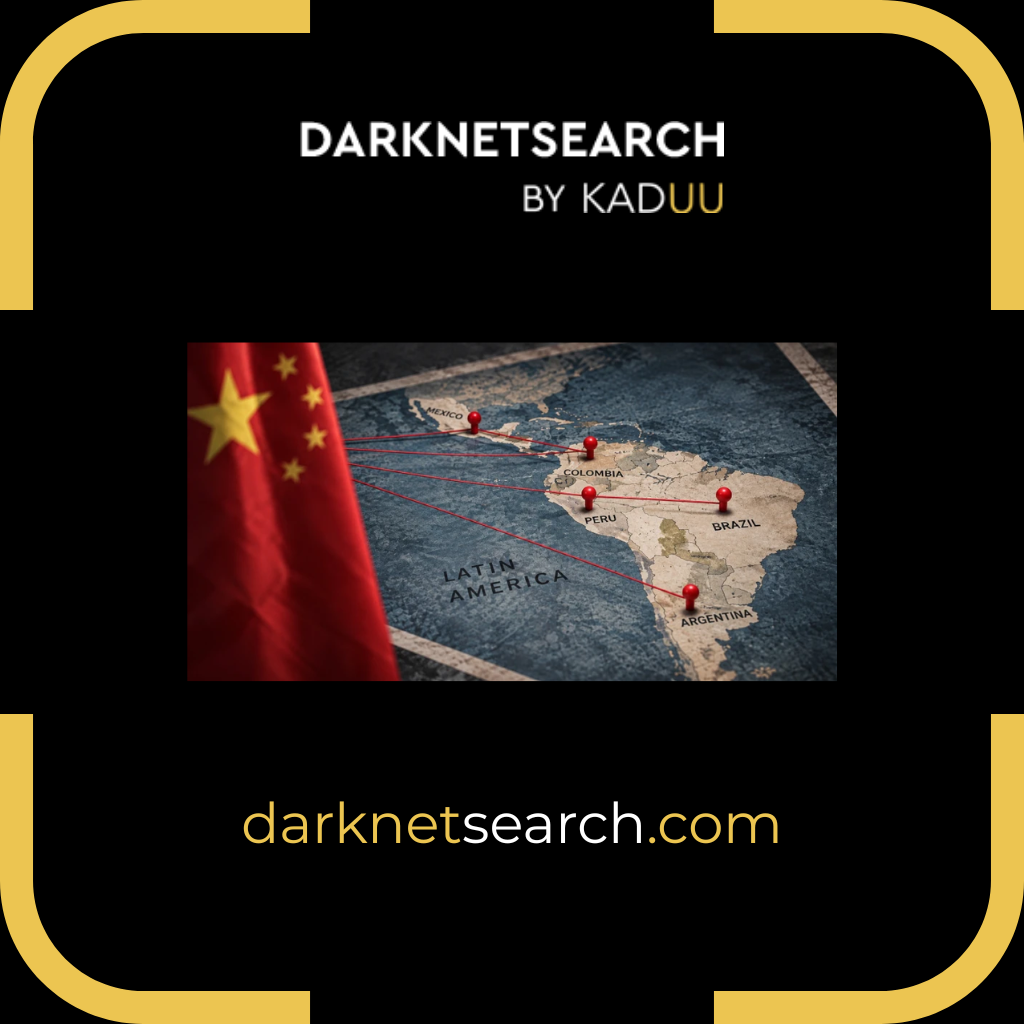
Dark Web Scanner: What SparroWocky Reveals About Espionage
Dark web scanner intelligence can add useful context to the latest SparroWocky campaign, but it cannot replace endpoint, identity, network, or incident-response controls. ESET reports that the China-aligned espionage group FamousSparrow has used a newly identified C++ backdoor against government organizations in Latin America since at least August 2025. The activity was observed in Argentina,…
-
Dark Web Scanner: Japan VPN Flaw Exposes 246,000 Records
Dark web scanner intelligence is relevant after Japan’s Digital Agency disclosed that approximately 246,000 records containing personnel information may have been exposed following unauthorized access to its Government Solution Service (GSS). The agency said a third party exploited a vulnerability in a VPN device and subsequently accessed files containing personal information. The incident is significant…
-
Dark Web Surveillance: Trezor Phishing Targets 347,000 Users
Dark web surveillance is increasingly relevant to supply-chain phishing incidents such as the recent Trezor campaign, where attackers abused access to third-party email marketing infrastructure to target approximately 347,000 newsletter addresses. The incident did not involve a compromise of Trezor’s wallet or account systems, according to Trezor, but it demonstrated how trusted vendors can become…
-

Dark Web Surveillance After AdaptHealth Exposes 4.1M
Dark web surveillance can help security teams track exposed credentials and stolen data after AdaptHealth confirmed that information belonging to 4.1 million people was affected by a cyberattack. The healthcare company disclosed that attackers gained unauthorized access to cloud-based business applications and exfiltrated data, including personally identifiable information and protected health information. The incident is…