

➤Summary
On November 7, 2025, the PNP data breach sent shockwaves through the cybersecurity practitioners from the Philippines, revealing critical information about law enforcement officers. The breach, discovered by the Kaduu team, exposed sensitive personal and professional data of PNP personnel, putting thousands of officers and their families at risk. This article unpacks the details of the Philippine National Police data breach and its far-reaching consequences for security, privacy, and national stability. 🚨💻
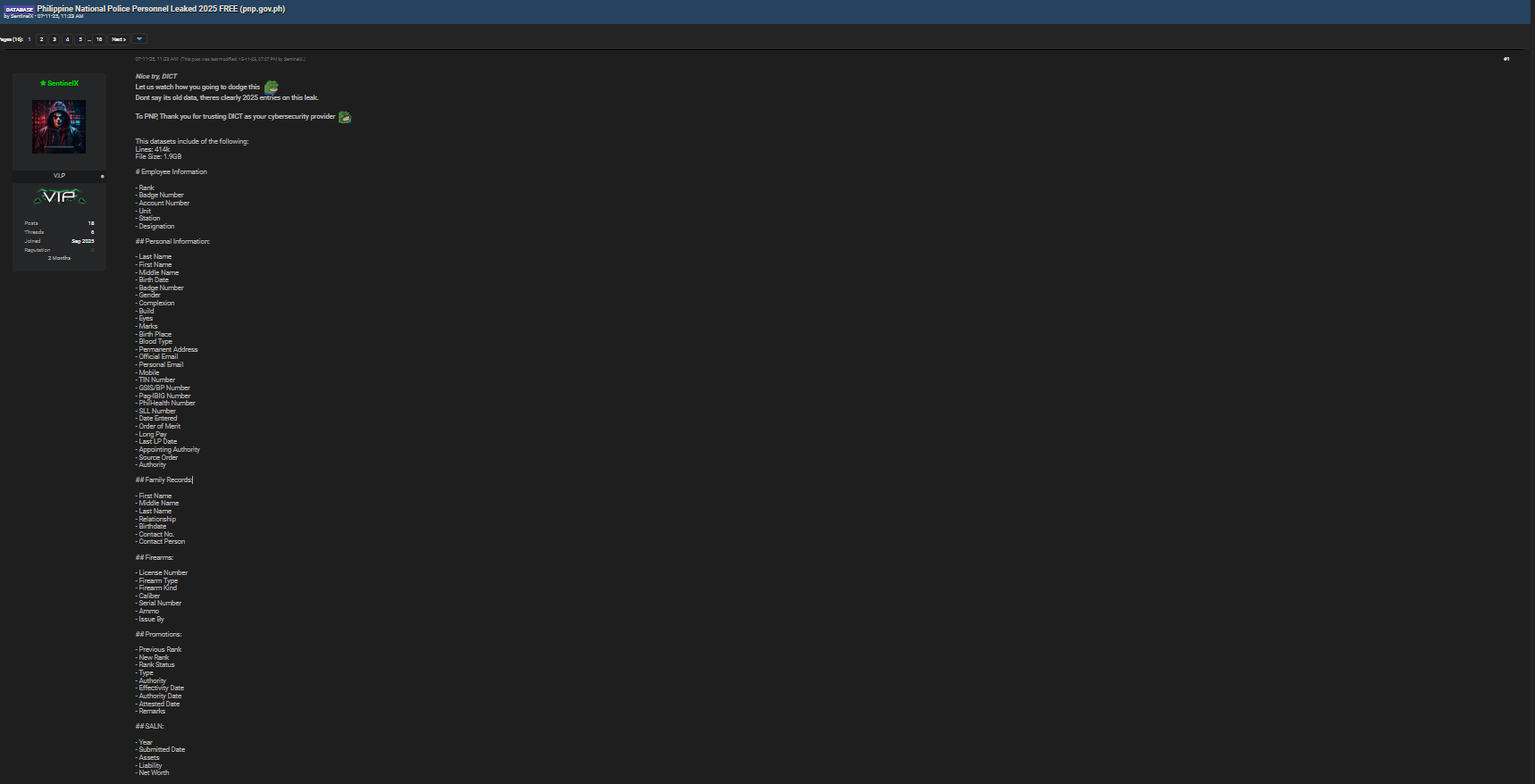
The data leak, which spans 1.9GB and includes 414,000 lines of information, is a wake-up call to cybersecurity experts and government bodies. From personal data to firearms records and financial declarations, everything is exposed. Let’s explore the impact of the PNP breach and why it’s crucial for cybersecurity to be a priority moving forward. 🔓
What Was Exposed in the PNP Data Breach?
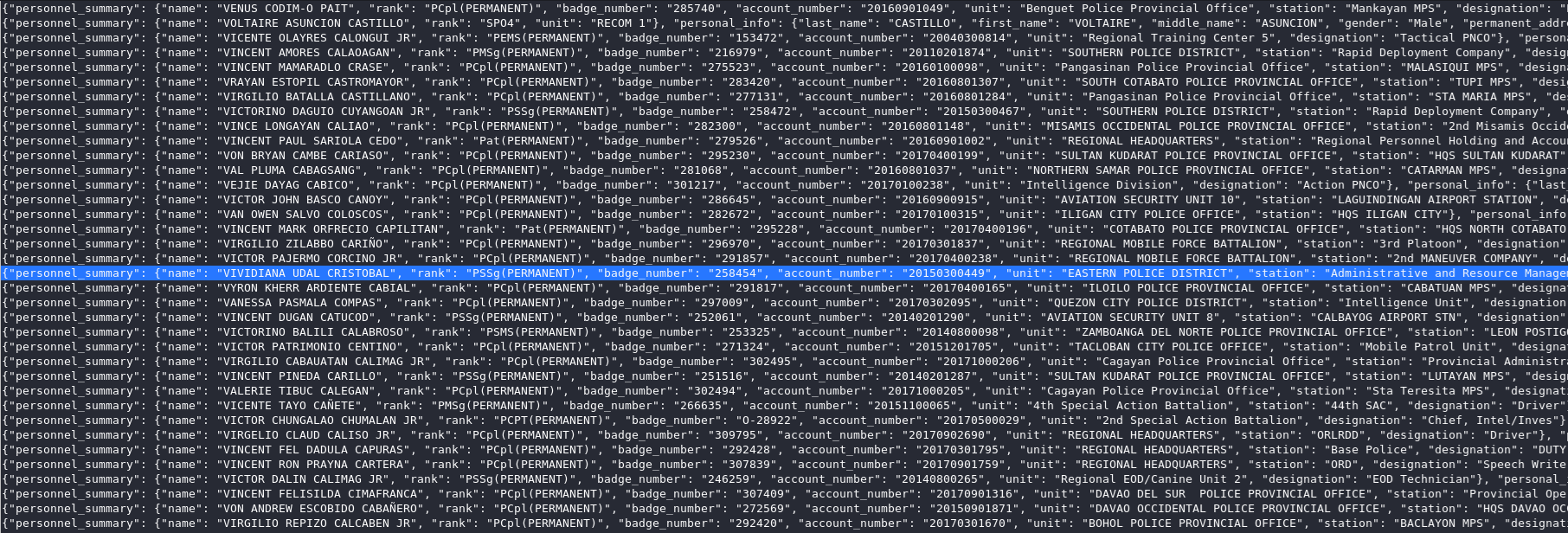
The leak revealed a massive amount of data, including personal information, career details, and sensitive records. Here’s a breakdown of the types of compromised information:
- Personal Data of PNP Personnel
The most alarming part of the PNP data breach is the exposure of personal data, which could lead to identity theft, harassment, and security risks. The leaked personal information includes:
- Full names (first, middle, last)
- Contact details (mobile numbers, emails)
- Birthdates
- Place of birth
- Permanent addresses
- Blood type and more 🏠
With this level of personal detail, criminals can impersonate officers, making them vulnerable to scams, phishing, and even physical threats. 💼
- Sensitive Employee Records
The breach also revealed critical professional details, such as:
- Rank and badge numbers
- Unit assignments and station locations
- Designation and promotions history 🏅
This can significantly harm the PNP’s internal security and expose sensitive personnel to external threats. It’s a serious security issue that affects not just the officers but also their families. 😟
- Firearms Data
Even more disturbing, the leak exposed confidential information about firearms issued to PNP officers. This includes:
- License numbers
- Firearm types and serial numbers
- Ammunition details
- Issuing authority 🔫
This could have dangerous consequences, with potential for stolen or misused firearms. Criminals could target specific officers based on this data, causing a ripple effect across law enforcement operations. 🕵️♂️
- Family Information
Another aspect of the breach is the exposure of family records. This includes the names, relationships, and contact details of officers’ family members. Such sensitive data compromises both the safety and privacy of those who are directly connected to PNP personnel. This is a severe invasion of privacy and can have long-lasting effects on officers and their loved ones. 😱
- Financial and Promotion Data
The Statement of Assets, Liabilities, and Net Worth (SALN) of officers, detailing their financial standing, was also exposed. This could lead to:
- Targeting for bribery or corruption 💵
- Public scrutiny of financial discrepancies
Additionally, the leak revealed promotion history, which could destabilize the PNP hierarchy by exposing the authority behind career advancements. 📊
How Did the PNP Data Breach Happen?
The exact cause of the PNP data breach remains under investigation. Experts suspect it could have been the result of a phishing attack, malware intrusion, or poor internal security measures. A security breach of this magnitude suggests systemic weaknesses within the PNP’s cybersecurity infrastructure, which need to be addressed immediately. 🛡️
This breach highlights a critical need for better data encryption, access controls, and employee training on cybersecurity threats. To avoid future incidents, the PNP must implement robust cybersecurity protocols to protect the personal and professional data of its officers. 🔐
Impact of the PNP Data Leak: A Growing Concern
The PNP data breach is more than just a cybersecurity failure; it’s a profound privacy violation. Here’s why the impact is so severe:
- Public Safety Risks
Exposed information about PNP officers, including their ranks, firearms, and addresses, presents a direct threat to public safety. Criminal groups or individuals with malicious intent could use this information to target officers and their families. 🚨
- Identity Theft and Phishing
With exposed personal details like email addresses, phone numbers, and TIN numbers, officers are at significant risk of identity theft and phishing attacks. Criminals can impersonate officers or PNP authorities to exploit both the officers and the public. 💻
- Loss of Public Trust
This data breach undermines the public’s trust in law enforcement. The public expects law enforcement to maintain confidentiality and protect sensitive information. A breach of this scale could lead to erosion in confidence and increased skepticism about the ability of the PNP to handle critical data. 👮♂️
- Corruption and Blackmail
Financial data exposed through the SALN can potentially be used for blackmail or to expose officers for corruption. Furthermore, the exposure of promotion records could lead to internal instability, as officers may feel their careers are jeopardized by the leak. 💼
What Can Be Done to Protect Against Future Data Breaches?
The PNP data breach is a wake-up call for law enforcement agencies worldwide. Here are some actionable steps that can be taken to protect against future incidents:
- Strengthen Cybersecurity Measures
Immediate action must be taken to improve the PNP’s cybersecurity infrastructure. This includes implementing robust firewall protections, multi-factor authentication, and encrypted communications systems. 🔐
- Ongoing Employee Training
To prevent phishing and other social engineering attacks, PNP officers must undergo regular cybersecurity training. This ensures they can recognize and avoid potential threats. 🚨
- Enhanced Data Protection Policies
Data protection must be a priority. The PNP should adopt stronger data retention policies, limiting the amount of sensitive information stored and ensuring it is adequately protected. 🔒
Conclusion: What’s Next for the PNP?
The PNP data breach is a major cybersecurity incident that has exposed critical vulnerabilities within the Philippine National Police. The leak has far-reaching implications for the safety of officers, their families, and public trust in law enforcement. As the investigation continues, it’s clear that the PNP must overhaul its cybersecurity measures and ensure such a breach never happens again. ⚠️
Discover much more in our complete guide on protecting your data from breaches like the PNP data leak!
Request a demo NOW to learn how to secure your organization from data vulnerabilities. 🔐
Discover how CISOs, SOC teams, and risk leaders use our platform to detect leaks, monitor the dark web, and prevent account takeover.
🚀Explore use cases →